 tbtaffiliate@gmail.com
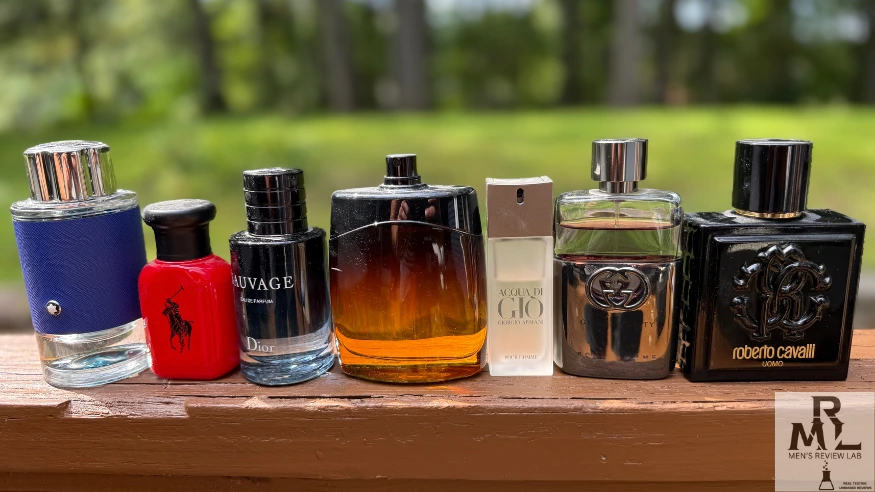
Choosing the right cologne shouldn’t feel like gambling with your money, yet many men walk into department stores overwhelmed by countless options and walk out with buyer’s remorse.
The global fragrance market is projected to reach $43 billion by 2028, with men’s cologne comprising roughly one-third of sales—but despite this massive industry, most guys still struggle to find their perfect scent.
After years of fragrance mistakes, surprising discoveries, and countless hours testing different scents, I’ve learned that knowing how to pick a cologne involves much more than simply choosing something that smells good in the store.
The process requires understanding fragrance composition, your personal body chemistry, and developing a systematic approach to testing that saves both time and money.
Whether you’re buying your first bottle or looking to expand your fragrance wardrobe, this complete guide will walk you through everything you need to know to find a cologne that truly works for you—not just on the test strip, but on your skin, in your life, and for years to come.
Understanding Cologne Basics
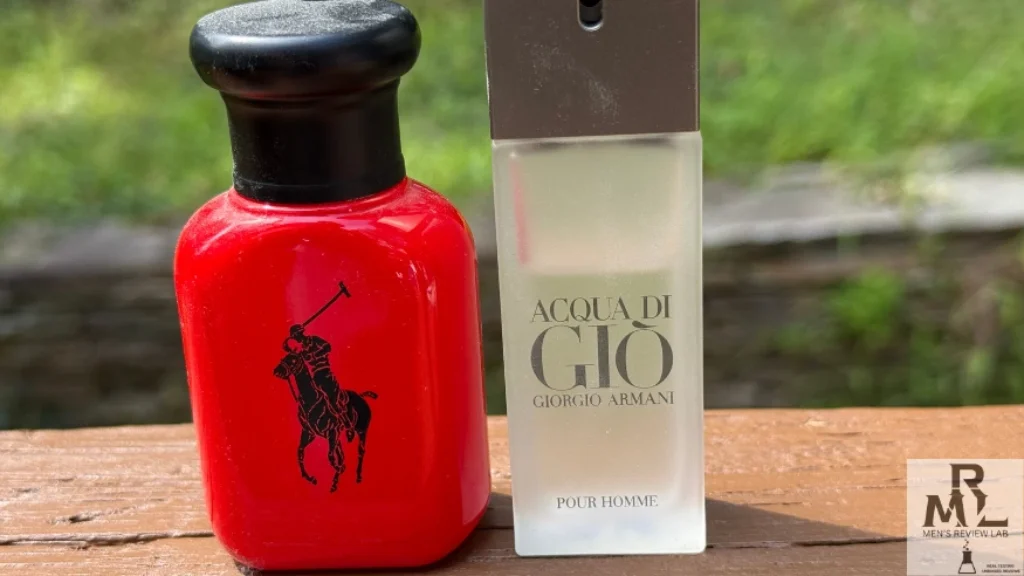
The foundation of learning how to choose a cologne starts with understanding what you’re actually buying. The fragrance industry uses specific terminology that directly impacts your experience, yet most men never learn these crucial distinctions.
Fragrance concentration levels determine both the intensity and longevity of your scent. Eau de cologne typically contains 2-5% aromatic compounds, making it the lightest and shortest-lasting option—perfect for hot weather or those who prefer subtle fragrances.
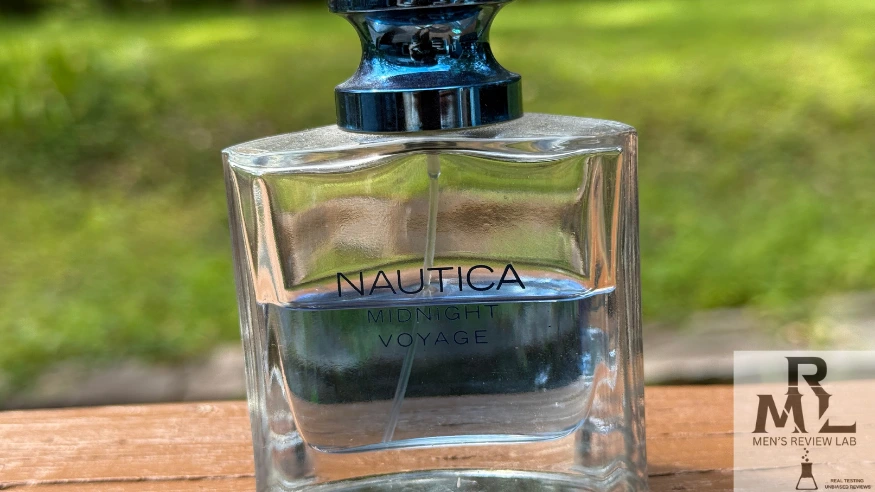
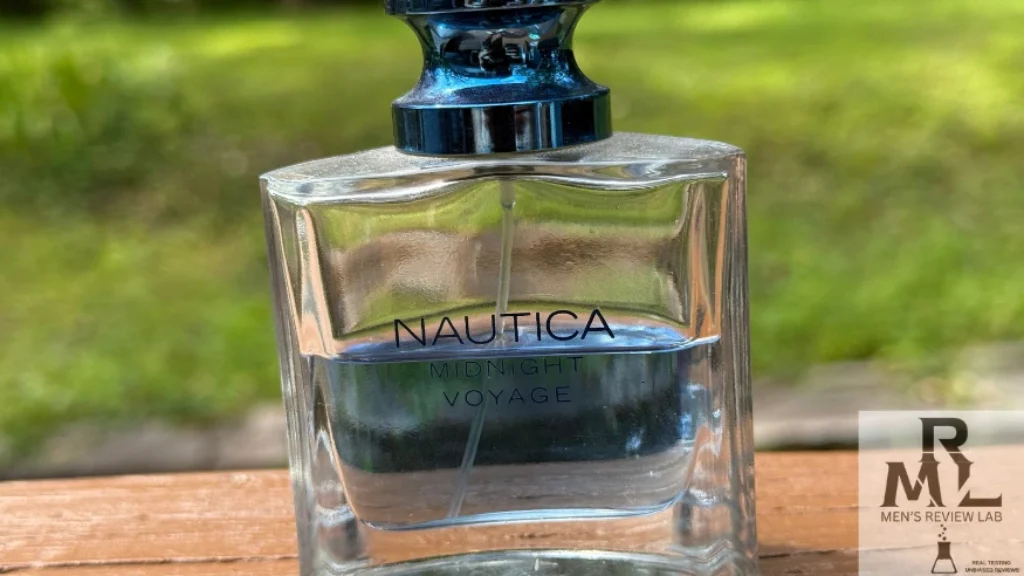
Also don’t forget about price, Eau de toilette is usually the cheapest option just like Nautica Voyage for as low as $15.
Eau de toilette contains 5-15% concentration and offers 2-4 hours of wear time, representing the sweet spot for most daily situations. Eau de parfum packs 10-20% concentration, delivering 4-8 hours of longevity and more intense projection.
Understanding how body chemistry affects scent development is perhaps the most overlooked aspect of cologne selection. Your skin’s natural oils, pH levels, and even diet subtly alter how fragrances unfold and linger.
This explains why the same cologne can smell completely different on two people—and why testing on your actual skin is non-negotiable.
Every cologne follows a three-layer structure that reveals itself over time. Top notes burst forth immediately upon application, creating that crucial first impression with bright citrus, fresh herbs, or crisp aquatic elements.
These typically last 15-30 minutes before giving way to the heart notes (also called middle notes), which form the fragrance’s core personality with florals, spices, or woody elements lasting 2-4 hours. Finally, base notes emerge as the foundation—deep musks, vanilla, sandalwood, or amber that can linger 6+ hours and create your lasting impression.
I learned this lesson firsthand when testing Dior Sauvage in 2019. On the test strip, it seemed like a straightforward fresh scent with bergamot and pepper. Wearing it on my skin revealed how differently it evolved—the initial brightness gave way to a smoky, almost metallic heart note that wasn’t apparent on paper, and the base developed into something much warmer and more complex than I expected. This experience taught me never to trust paper strips for final decisions.
Know Your Fragrance Families
Understanding fragrance families helps narrow your search and identify your scent preferences without getting overwhelmed by thousands of options. Each family creates different moods and works better for specific occasions, seasons, and personal styles.
Fresh family encompasses citrus, aquatic, and green scents that feel clean, energizing, and universally appealing. These fresh scents excel for summer days, office environments, and situations where you want to smell approachable rather than bold.
Classic examples include Acqua di Gio, Cool Water, and most traditional eau de cologne formulations. The citrus notes—lemon, bergamot, grapefruit—create instant freshness, while aquatic notes evoke ocean breezes and clean air.

Woody family fragrances center around cedar, sandalwood, vetiver, and other tree-derived notes that convey sophistication, reliability, and masculine elegance.
These woody fragrances work exceptionally well in professional settings and transition beautifully from day to evening. Terre d’Hermès, Bleu de Chanel, and many Tom Ford offerings showcase how woody notes can range from dry and austere to warm and creamy.
Oriental family (sometimes called “amber” family) brings spice, warmth, and exotic complexity through notes like cinnamon, vanilla, amber, and various resins. These scents suit evening wear, cold weather, and situations where you want to make a memorable impression. Yves Saint Laurent La Nuit de L’Homme and Creed Royal Oud represent this family’s ability to be both comforting and mysterious.
Floral family isn’t just for women—many sophisticated men’s fragrances incorporate jasmine, rose, lavender, or ylang ylang in subtle, balanced ways. These floral scents often appear in unisex compositions or add unexpected elegance to otherwise masculine formulations.
My personal journey through fragrance families reflects how taste evolves with age and experience. In college, I gravitated exclusively toward fresh citrus scents—they felt safe, clean, and appropriate for my lifestyle.
But as I entered my late twenties, my preferences shifted toward woody oriental combinations that felt more sophisticated and complex. This transition taught me that your signature scent may change as you mature, and that’s perfectly normal.
Testing Cologne Properly
Proper testing technique makes the difference between finding a cologne you’ll love for years and making an expensive mistake. Most men rush this process, leading to purchases they regret within weeks.
Timing matters more than most people realize. Visit fragrance counters during mid-morning when your nose is most sensitive and hasn’t been overwhelmed by other scents.
Avoid testing immediately after meals, coffee, or smoking, as these can dull your olfactory perception.
Limit yourself to testing 3-4 colognes maximum per session to avoid olfactory fatigue—the temporary loss of smell sensitivity that occurs when your nose becomes overwhelmed.
This phenomenon is real and can lead to poor decisions if ignored. Many fragrance enthusiasts recommend stopping at 2-3 scents for beginners.
Always spray directly on pulse points—wrists, neck, or inner elbows—rather than sniffing from bottles or test strips. Your body heat helps the fragrance develop properly, and you’ll experience how it interacts with your natural body odor and skin chemistry.
Don’t rub your wrists together after spraying, as the friction breaks down fragrance molecules and distorts the scent profile.
Wait at least 30 minutes before making any decisions. This patience allows you to experience the heart notes and begin understanding how the base notes will develop. Walk around the store, go get coffee, but don’t rush the evaluation process.
I learned this lesson the hard way in 2020 when I bought Tom Ford Oud Wood after a hasty 10-minute test. The initial smoky, creamy woods seemed perfect, but I hadn’t waited for the base note to develop fully.
After wearing it for a full day, I discovered it turned into something much sweeter and more cloying than I preferred—a $200 mistake that taught me the value of patience in testing.
The most effective approach involves testing one cologne on each wrist and perhaps one on each inner elbow if you’re comparing four options.
Take notes on your phone about initial impressions, 30-minute marks, and how each evolves throughout the day. This systematic approach helps you remember and compare different scents across multiple shopping trips.
Consider Your Lifestyle and Occasions

Your daily routine, professional environment, and social activities should heavily influence your cologne choices. A scent that works perfectly for weekend adventures might be completely inappropriate for conservative office settings.
Office-appropriate scents should remain subtle, fresh, and universally pleasant without being distracting or overpowering.
Classic choices like Acqua di Gio, Bleu de Chanel, or Prada L’Homme offer sophistication without controversy. These fresher scents maintain professionalism while adding a subtle layer of personal style.
Evening and date night scenarios allow for deeper, more complex scents that create memorable impressions. This is where oriental fragrances like Yves Saint Laurent La Nuit de L’Homme or woody orientals like Terre d’Hermès can shine.
These richer compositions complement intimate settings and lower lighting.
Seasonal considerations significantly impact how colognes perform and how others perceive them. Spring and summer call for lighter, fresher fragrances that won’t become overwhelming in heat and humidity.
Fall and winter allow for richer, warmer scents that complement the mood and won’t get lost in heavy clothing.
Building a basic 3-cologne wardrobe covers most situations without breaking the budget: one fresh daily driver for office and casual wear, one woody scent for versatility across seasons and occasions, and one oriental for special evenings and cold weather.
This foundation provides flexibility while you explore and refine your preferences.
Consider your personal style and how you want others to perceive you. Are you more classic and traditional, or do you prefer making bold statements?
Do you work in creative fields where unique scents are appreciated, or conservative environments where subtlety is key? Your fragrance should enhance your natural personality rather than create a disconnect between who you are and how you smell.
Understanding Your Skin Chemistry
Body chemistry plays a crucial role in how cologne develops and performs, yet it’s one of the most misunderstood aspects of fragrance selection.
Understanding your skin type helps predict how different scents will behave and how often you’ll need to reapply.
Oily skin tends to hold and project scents stronger and longer due to the natural oils that help bind fragrance molecules.
If you have oily skin, you might find that you need less cologne than others, and scents may last longer throughout the day. This can be particularly beneficial with expensive fragrances, as you’ll use less product overall.
Dry skin often requires more frequent reapplication because it lacks the natural oils needed to help fragrance molecules adhere and develop properly.
If you have dry skin, consider applying an unscented moisturizer before cologne, or look for fragrances with higher concentrations (eau de parfum rather than eau de toilette) for better longevity.
pH levels affect how certain notes develop and change over time. Acidic skin tends to emphasize citrus and fresh notes while potentially diminishing floral elements. Alkaline skin might enhance woody and spicy notes while making citrus elements fade more quickly. You can’t change your natural pH, but understanding it helps explain why certain fragrance families work better for you.
Temperature and activity level also influence scent development. Higher body heat amplifies projection, which is why pulse points work so well for application. However, intense physical activity or very hot weather can make any cologne overwhelming, regardless of how much you applied.
I discovered this firsthand when my brother and I tested Creed Aventus on the same day. On my skin, the pineapple and birch notes created a fresh, fruity opening that gradually developed into a smoky, masculine dry-down. On his naturally oilier skin, the same fragrance opened much stronger, the fruit notes lasted longer, and the overall projection was noticeably more intense. This experience reinforced that two people can have completely different experiences with identical fragrances due to their unique body chemistry.

Budget and Value Considerations
Smart cologne shopping requires understanding the relationship between price, quality, and value across different market segments. You don’t need to spend hundreds of dollars to smell great, but knowing where your money goes helps make informed decisions.
Designer fragrances ($50-150) represent the sweet spot for most men, offering excellent quality, widespread availability, and proven appeal. Brands like Versace Pour Homme, Prada L’Homme, and Giorgio Armani Code deliver sophisticated scents with good longevity and broad appeal. These major brands invest heavily in development and marketing, resulting in well-balanced, crowd-pleasing compositions.
Niche fragrances ($150-300+) cater to fragrance aficionados seeking unique, artistic, or unconventional scents. Houses like Creed, Tom Ford, and Maison Margiela often use higher-quality ingredients and more complex compositions, but the premium price reflects exclusivity and craftsmanship rather than just performance. These work best for experienced fragrance wearers who know their preferences.
Affordable alternatives under $50 can deliver surprising quality from brands like Zara, Montblanc, and Nautica. While they might not match the complexity or longevity of premium options, many offer excellent value for daily wear or experimentation. Some affordable options are actually reformulated versions of discontinued designer classics.
Sample before buying expensive fragrances to avoid costly mistakes. Services like Scentbird offer monthly sample subscriptions, while Sephora provides generous samples of most fragrances upon request. Many online retailers sell sample sets or decants that let you test multiple options for the price of one full bottle.
Consider cost per wear when evaluating value. A $200 bottle that you love and use regularly for two years represents better value than a $50 bottle that sits unused because you don’t enjoy wearing it. Quality fragrances also require fewer sprays per application, making them more economical over time.
Think about your current fragrance experience level. If you’re just starting to build a fragrance wardrobe, begin with one or two well-regarded, versatile options in the designer price range. As you develop your preferences and olfactory sophistication, you can explore niche options with confidence.
Application and Storage Tips
Proper application technique and storage practices protect your investment while ensuring optimal performance. Many men unknowingly diminish their cologne’s effectiveness through common application and storage mistakes.
Apply cologne to pulse points where body heat helps project the scent: wrists, neck, and chest work best for most situations. Two to three sprays maximum should suffice for most fragrances—remember that others will notice your scent before you think they will. Start conservatively and increase gradually if needed.
Never rub your wrists together after application. This friction breaks down fragrance molecules and can significantly alter the scent profile, often making it smell harsh or distorted. Instead, let the cologne air dry naturally on your skin.
Spray cologne directly onto skin rather than clothing when possible. Fabric can alter how fragrances develop and may cause staining with certain formulations. If you must apply to clothing, test on an inconspicuous area first and avoid light-colored fabrics.
Store cologne in a cool, dark place away from bathroom humidity and temperature fluctuations. Heat, light, and humidity degrade fragrance oils and can cause your cologne to smell off or lose potency. A bedroom drawer or closet shelf works much better than a bathroom counter.
I learned about proper storage the hard way in 2018 when I left a bottle of Chanel Allure Homme Sport on a sunny windowsill. Within months, the fresh citrus opening had turned sour and metallic, and the overall scent became unpleasant to wear. That $90 lesson taught me to treat cologne storage seriously.
Keep original boxes when possible, as they provide additional protection from light and temperature changes. If you live in an extremely hot climate, consider storing expensive fragrances in a wine refrigerator or cool basement area.
Avoid extreme temperature changes, which can cause the liquid to expand and contract, potentially affecting the spray mechanism or even cracking the bottle. Never leave cologne in cars during hot weather, as temperatures can exceed 150°F and permanently damage the fragrance.
Common Mistakes to Avoid
Learning from others’ mistakes saves money and frustration. These common pitfalls trip up even experienced fragrance enthusiasts, but awareness helps you avoid them entirely.
Over-applying cologne is perhaps the most frequent error. If people can smell your fragrance from six feet away, you’ve applied too much. Cologne should enhance your presence, not announce your arrival. Start with one spray and build gradually over several wears until you find the right amount for your skin and the specific fragrance.
Buying based on compliments to others rather than personal preference leads to disappointment. Just because a fragrance smells amazing on your friend doesn’t mean it will work on your skin chemistry. Use others’ recommendations as starting points for testing, not final decisions.
Ignoring seasonal appropriateness makes you stand out for the wrong reasons. Wearing heavy, warm oriental fragrances during summer heat or light, fresh scents during winter can seem out of touch with your environment. Build awareness of which scents work best in different seasons and situations.
Mixing multiple fragrances without understanding layering principles often creates muddy, unpleasant combinations. Unless you’re experienced with fragrance layering, stick to one scent at a time. Avoid using scented body products (deodorant, aftershave, etc.) that might conflict with your chosen cologne.
Finding Your Signature Scent
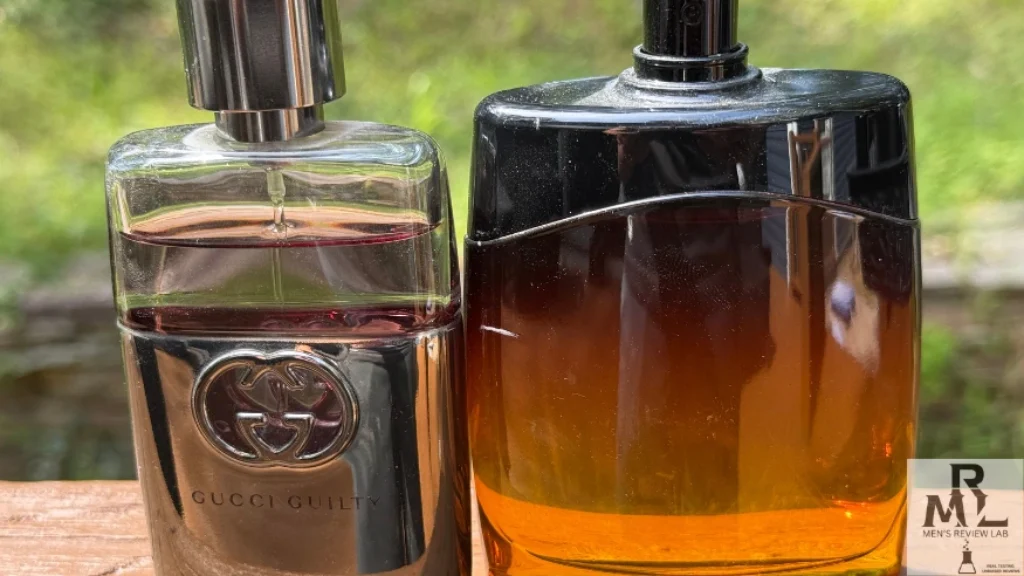
Developing a signature scent is a personal journey that reflects your evolving taste, lifestyle, and self-perception. While trends come and go, your signature fragrance should feel authentically you—something that becomes part of your identity.
Start with crowd-pleasers to build confidence and olfactory literacy. Fragrances like Dior Sauvage, Bleu de Chanel, or Acqua di Gio Profumo are popular for good reason—they’re well-composed, versatile, and widely appreciated. These serve as excellent foundations while you explore more adventurous options.
Ask trusted friends and family what scents they associate with you naturally. Sometimes others notice patterns in your preferences before you do. Do you gravitate toward fresh, clean environments? Prefer warm, cozy spaces? Enjoy spending time outdoors? These lifestyle preferences often translate into fragrance preferences.
Consider your personality and how you want to be perceived. Are you more classic and traditional, or do you prefer standing out from the crowd? Do you value sophistication, approachability, mystery, or confidence? Your ideal signature scent should amplify these qualities rather than mask them.
Remember that your signature scent may evolve as you age and your tastes mature. This evolution is natural and healthy—the fresh, energetic scents that felt perfect at 22 might feel too youthful at 35. Embrace this progression rather than forcing yourself to stick with something that no longer fits.
After three years of systematic testing and countless samples, I settled on Terre d’Hermès as my signature scent. The journey involved trying everything from fresh aquatics to heavy ouds, but I kept returning to this perfect balance of citrus, wood, and earth. It felt sophisticated without being stuffy, distinctive without being weird, and complex enough to reveal new facets over years of wearing.
The process taught me that finding your signature scent requires patience, experimentation, and honest self-reflection. Don’t rush toward a decision—enjoy the exploration process and trust that the right fragrance will eventually feel like a natural extension of your personality.
Summary
Learning how to pick a cologne successfully combines technical knowledge, practical testing, and personal introspection. Understanding fragrance families, concentration levels, and body chemistry provides the foundation, but the real discovery happens through patient, systematic testing on your own skin.
The most important lesson from years of fragrance exploration is that personal preference trumps trends, reviews, and recommendations. What smells incredible on someone else might not work for your skin chemistry, lifestyle, or personality. Trust your nose, take time to test properly, and don’t be afraid to start over if your first choice doesn’t live up to expectations.
Building a fragrance wardrobe is a marathon, not a sprint. Start with samples, invest in versatile foundations, and gradually explore more adventurous options as your confidence and knowledge grow. The perfect cologne for you is out there—finding it just requires the right approach, patience, and willingness to learn from both successes and mistakes.
Remember that fragrance is ultimately about personal expression and confidence. Choose something that makes you feel like the best version of yourself, and you’ll have found more than just a cologne—you’ll have found a scent that becomes part of your identity.